

Molavi Abdolhamid Calls for an End to Executions in Iran
Molavi Abdolhamid Calls for an End to Executions in Iran
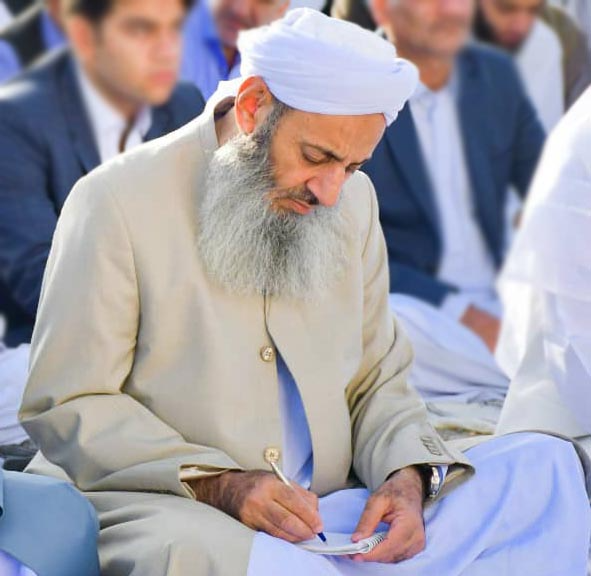
According to the Balochistan Human Rights Group (BHRG), on Friday, 13 November 2026 (22 Aban 1405), Molavi Abdolhamid Esmaeilzehi, the Sunni Friday prayer leader of Zahedan, called for an end to executions across Iran during his Friday sermon. Referring to reports that approximately 7,000 prisoners convicted of drug-related offences are at risk of execution, including 2,000 from Sistan and Baluchestan Province, he called for a halt to executions in all cases. He also addressed international opposition to the death penalty, the province’s economic and infrastructure challenges, the need to use its resources to reduce poverty and create employment, and the importance of direct negotiations between Iran and the United States.
Referring to the increasing number of executions in drug-related cases, Molavi Abdolhamid stated:
“Executions for drug-related offences have been taking place since the early years of the revolution, and reports now indicate that approximately 7,000 prisoners convicted of drug-related offences are facing execution, 2,000 of whom are from Sistan and Baluchestan. Ending executions has always been one of the demands of the people, and we have repeatedly raised it as a public demand.”
Referring to the reported directive by the Head of the Judiciary to halt executions in drug-related cases, as well as efforts by the Parliament’s Judicial Commission on this issue, he described these developments as positive steps and called for executions to be stopped in all cases.
He stated:
“We consider every positive step taken in response to the demands of the people to be significant and worthy of recognition. The Head of the Judiciary has issued a directive to halt executions in drug-related cases, and the Parliament’s Judicial Commission has also made efforts in this regard. These are positive steps, and our expectation is that executions should be stopped in all cases.”
The Zahedan Friday prayer leader also referred to opposition to capital punishment among international public opinion and human rights organisations, describing an end to executions as being in the interests of the Iranian authorities, the country and its people.
He said:
“The international community, international organisations and human rights institutions do not support the death penalty. People around the world, including the people of Iran, do not have a positive view of this punishment and are concerned about it. Therefore, ending executions would be in the interests of the authorities, the country and the people of Iran.”
In another part of his sermon, delivered in the presence of Mansour Bijar, Governor-General of Sistan and Baluchestan Province, and his accompanying delegation, Molavi Abdolhamid highlighted the province’s infrastructure problems.
He stated:
“The lack of adequate infrastructure in Sistan and Baluchestan is one of the province’s problems that has received insufficient attention.”